मुख्य बिंदु
- आपका शरीर व्यावसायिक सफाई या चाय की आवश्यकता के बिना आपके यकृत, गुर्दे, आंत, त्वचा, फेफड़े और लसीका प्रणाली के माध्यम से चौबीसों घंटे स्वचालित रूप से विषहरण करता है।
- आपके शरीर के प्राकृतिक डिटॉक्स मार्गों का समर्थन करने का सबसे प्रभावी तरीका लगातार दैनिक आदतों के माध्यम से होता है, जिसमें पर्याप्त प्रोटीन और फाइबर का सेवन, उचित हाइड्रेशन, गुणवत्ता वाली नींद, नियमित गतिविधि और अल्कोहल को सीमित करना शामिल है।
- क्लासिक “डिटॉक्स लक्षण” जैसे सिरदर्द, थकान और चिड़चिड़ापन आमतौर पर शरीर से विषाक्त पदार्थों के बाहर निकलने के बजाय कैफीन की निकासी, निम्न रक्त शर्करा या निर्जलीकरण के कारण होते हैं।
- रेचक चाय, एक्टिवेटेड चारकोल, कोलोन क्लींज़ और फुट पैड जैसे कमर्शियल डिटॉक्स उत्पादों में ठोस नैदानिक साक्ष्य की कमी होती है और इसमें वास्तविक जोखिम होते हैं, जिसमें इलेक्ट्रोलाइट हानि और दवा अवशोषण में हस्तक्षेप शामिल है।
- यदि आपको भारी धातुओं या मोल्ड के वास्तविक विषाक्त संपर्क का संदेह है, तो आपको स्व-निर्देशित डिटॉक्स प्रोटोकॉल का प्रयास करने या ओवर-द-काउंटर बाइंडर्स का उपयोग करने के बजाय किसी चिकित्सक से मूल्यांकन लेना चाहिए।
- किसी भी डिटॉक्स सप्लीमेंट को अपनी दिनचर्या में शामिल करने से पहले हमेशा किसी स्वास्थ्य देखभाल पेशेवर से सलाह लें, खासकर अगर आप गर्भवती हैं, स्तनपान कराती हैं, किसी पुरानी स्थिति का प्रबंधन कर रही हैं, या डॉक्टर के पर्चे पर दी गई दवाएं ले रही हैं।
अपने शरीर को डिटॉक्स करना सीखना इस तथ्य से शुरू होता है कि वेलनेस उद्योग शायद ही कभी आगे बढ़ता है: आप पहले से ही ऐसा कर रहे हैं, हर सेकंड, बिना किसी पूरक के। आपके जिगर, गुर्दे, आंत, फेफड़े, त्वचा और लसीका तंत्र प्रक्रिया करते हैं और चयापचय अपशिष्ट और रोजमर्रा के यौगिकों को चौबीसों घंटे साफ करते हैं। उपयोगी सवाल यह नहीं है कि “मैं विषाक्त पदार्थों को कैसे निकालूं”, लेकिन “मैं उन अंगों को कैसे रखूं जो इसे अच्छी तरह से चलाते हैं?” यह मार्गदर्शिका आठ व्यावहारिक चरणों के साथ जवाब देती है, अपने जिगर को सहारा देने के तरीके पर एक स्पष्ट नज़र, और विज्ञान क्या करता है और क्या नहीं, इसका एक ईमानदार विवरण देता है।
“डिटॉक्स” का वास्तव में क्या मतलब है?
डिटॉक्स, जैविक अर्थ में, उन पदार्थों को बेअसर करने और नष्ट करने के लिए शरीर की अंतर्निहित प्रक्रियाओं को संदर्भित करता है जिनकी उसे आवश्यकता नहीं है, सामान्य चयापचय के उपोत्पादों से लेकर भोजन, दवा और पर्यावरण में यौगिकों तक। यकृत दो एंजाइमेटिक चरणों के माध्यम से इस काम को आगे बढ़ाता है जो रासायनिक रूप से यौगिकों को संशोधित करते हैं ताकि गुर्दे और आंत उन्हें बाहर निकाल सकें। गुर्दे रक्त को फ़िल्टर करते हैं और मूत्र के माध्यम से अपशिष्ट को निकालते हैं। आंत मल के माध्यम से सामग्री को साफ करती है। फेफड़े वाष्पशील यौगिकों को बाहर निकालते हैं, और त्वचा पसीने के माध्यम से थोड़ी मात्रा में छोड़ती है।
मार्केटिंग के अर्थ मेंडिटॉक्स का अर्थ कुछ और है: संचित “विषाक्त पदार्थों” को शुद्ध करने के वादे पर बेचा जाने वाला उत्पाद या प्रोटोकॉल। यह संस्करण शायद ही कभी नाम देता है कि कौन सा विष, किस स्तर पर, और इसे कैसे मापा जाता है। जैविक प्रक्रिया और मार्केटिंग के दावे के बीच का अंतर वह है जहां अधिकांश डिटॉक्स उत्पाद अपना पैर खो देते हैं। यह मार्गदर्शिका पहले अर्थ में शब्द का उपयोग करती है।
क्या आपको वास्तव में डिटॉक्स करने की ज़रूरत है, या क्या आपका शरीर इसे संभालता है?
अधिकांश मामलों में आपका शरीर नियमित रूप से डिटॉक्सिफिकेशन को अपने आप हैंडल करता है। स्वस्थ यकृत और गुर्दा कार्य करने वाले व्यक्ति के लिए, सप्ताहांत में शुद्धिकरण से बाहर निकलने के लिए कोई विषैला बैकलॉग नहीं होता है। किसी भी डिटॉक्स उत्पाद पर पैसा खर्च करने से पहले यह सबसे महत्वपूर्ण सुधार है।
साक्ष्य-आधारित रीफ़्रेम: आप अपने अंगों को पहले की तुलना में तेज़ी से डिटॉक्सिफ़ाई करने के लिए मजबूर नहीं कर सकते हैं, लेकिन आप उन्हें कमज़ोर कर सकते हैं या उनका समर्थन कर सकते हैं। शराब का अत्यधिक उपयोग, धूम्रपान, लंबे समय तक नींद की कमी, प्रोटीन और फाइबर में कम आहार, और निर्जलीकरण सभी इन प्रणालियों के काम करने की क्षमता को कम करते हैं। उन बोझों को दूर करना और अंगों को आवश्यक कच्चे माल की आपूर्ति करना “डिटॉक्सिंग” का वास्तविक, प्रभावी संस्करण है। नीचे दी गई हर चीज उसी सिद्धांत पर बनी है।
ऐसे वास्तविक अपवाद हैं जहां शरीर को चिकित्सा सहायता की आवश्यकता होती है, न कि जीवन शैली सहायता की: पुष्टि की गई भारी धातु विषाक्तता, नशीली दवाओं की अधिकता, और कुछ व्यावसायिक या पर्यावरणीय जोखिम। जिनका इलाज चिकित्सकों द्वारा विशिष्ट हस्तक्षेपों के साथ किया जाता है, जिन्हें बाद में इस लेख में शामिल किया गया है। वे सप्ताहांत-स्वच्छ क्षेत्र नहीं हैं।
डिटॉक्सिफिकेशन का समर्थन करने के वास्तविक लाभ क्या हैं?
विषहरण का समर्थन करने के लाभ स्वयं आदतों से आते हैं, न कि किसी शुद्धिकरण प्रभाव से। जब लोग “डिटॉक्स” के बाद अधिक ऊर्जा, कम सूजन, साफ त्वचा, या बेहतर पाचन की रिपोर्ट करते हैं, तो सुधार लगभग हमेशा इस बात का पता लगाता है कि उन्होंने क्या जोड़ा या हटाया, अधिक पानी, अधिक सब्जियां, कम अल्कोहल, कम अल्ट्रा-प्रोसेस्ड भोजन, अधिक नींद, शरीर से बाहर निकलने वाले विषाक्त पदार्थों के बजाय
यह अंतर बताता है कि आपको अपना प्रयास कहाँ करना है। तीन दिन के जूस को साफ करने से आपको हल्का महसूस हो सकता है, मुख्य रूप से कम कैलोरी और कम सोडियम से, फिर सामान्य रूप से खाने के पल को उलट देता है। अपने डिटॉक्स अंगों को लगातार सहारा देने से आखिरी बदलाव आते हैं। नीचे दिए गए आठ चरणों में लीवर हैं जिनके पीछे सबसे अच्छे सबूत हैं।
8-स्टेप फुल बॉडी डिटॉक्स
यह एक सपोर्ट प्रोटोकॉल है, पर्ज नहीं। प्रत्येक चरण एक वास्तविक तंत्र को लक्षित करता है जिस पर आपके डिटॉक्स अंग निर्भर करते हैं। इसमें से किसी को भी मालिकाना उत्पाद की आवश्यकता नहीं है।
चरण 1: अपने आहार को साफ करें
पहले अपने आहार को साफ करें, क्योंकि भोजन आपके जिगर और आंत की प्रक्रिया का सबसे बड़ा दैनिक इनपुट है। अत्यधिक प्रसंस्कृत खाद्य पदार्थ, अतिरिक्त शक्कर और अल्कोहल का सेवन कम करें, ये तीन ऐसे इनपुट हैं जो लिवर के काम के बोझ को लगातार बढ़ाते हैं। विशेष रूप से अल्कोहल, यकृत द्वारा एसीटैल्डिहाइड में मेटाबोलाइज़ किया जाता है, जो अल्कोहल की तुलना में अधिक विषैला यौगिक होता है, इससे पहले कि वह और टूट जाए। सेवन कम करने से वह बोझ सीधे कम हो जाता है।
संपूर्ण खाद्य पदार्थों के आसपास प्लेट बनाएं: सब्जियां, फल, फलियां, साबुत अनाज, और पर्याप्त प्रोटीन। अधिकांश डिटॉक्स सामग्री स्वीकार करने की तुलना में प्रोटीन अधिक मायने रखता है, क्योंकि लिवर का दूसरा डिटॉक्स चरण काम करने के लिए अमीनो एसिड पर निर्भर करता है। प्रोटीन में बहुत कम आहार उस प्रक्रिया को धीमा कर सकता है जिसका आप समर्थन करने की कोशिश कर रहे हैं।
चरण 2: स्रोत पर टॉक्सिन एक्सपोज़र को कम करें
स्रोत पर टॉक्सिन के संपर्क को कम करें, क्योंकि किसी यौगिक को साफ करने की तुलना में उसे टालना आसान है। सबसे अधिक प्रभाव डालने वाली चालें स्पष्ट हैं: धूम्रपान न करें, शराब को सीमित करें, और अल्ट्रा-प्रोसेस्ड भोजन में कटौती करें। इसके अलावा, आप खुशबू-मुक्त घरेलू और व्यक्तिगत देखभाल उत्पादों को चुनकर, साफ करते समय वेंटिलेट करके, पीने के पानी को फ़िल्टर करके, यदि आपकी स्थानीय आपूर्ति वारंट करती है, और भोजन को प्लास्टिक में दोबारा गर्म करने के बजाय कांच में स्टोर करके रोजमर्रा के जोखिम को कम कर सकते हैं।
खाने के विकल्प यहां भी एक भूमिका निभाते हैं। जहां यह आपके बजट में फिट बैठता है, जैविक उत्पाद और जिम्मेदारी से उठाए गए पशु उत्पादों को चुनने से कुछ कीटनाशक अवशेषों के आहार के संपर्क में कमी आ सकती है। पारंपरिक उत्पादों को धोने और छीलने से भी मदद मिलती है। लक्ष्य “विष मुक्त” जीवन नहीं है, जो संभव या आवश्यक नहीं है। यह उन अंगों पर परिहार्य भार नहीं जोड़ रहा है जो पहले से काम कर रहे हैं।
चरण 3: अच्छी तरह से हाइड्रेटेड रहें
अच्छी तरह से हाइड्रेटेड रहें, क्योंकि आपके गुर्दे को रक्त को फ़िल्टर करने और मूत्र उत्पन्न करने के लिए पानी की आवश्यकता होती है, जो पानी में घुलनशील कचरे को साफ करने का प्राथमिक मार्ग है। क्रोनिक माइल्ड डिहाइड्रेशन फिल्ट्रेशन दक्षता को कम करता है और मूत्र को केंद्रित करता है। गैलन की कोई ज़रूरत नहीं है; सामान्य मार्गदर्शन यह है कि पर्याप्त मात्रा में पानी पिएं ताकि मूत्र हल्का पीला रहे, जलवायु, गतिविधि और शरीर के आकार के अनुसार समायोजित हो। सादा पानी काम करता है। “डिटॉक्स वॉटर” रेसिपी ऑनलाइन स्वाद जोड़ती हैं, कार्य नहीं करती हैं।
चरण 4: शरीर के मास्टर एंटीऑक्सिडेंट ग्लूटाथियोन का समर्थन करें
ग्लूटाथियोन के स्तर का समर्थन करें, क्योंकि यह लिवर की डिटॉक्स केमिस्ट्री के केंद्र में स्थित है। ग्लूटाथियोन प्रतिक्रियाशील यौगिकों को बेअसर करता है और इस प्रक्रिया में इसका सेवन किया जाता है, इसलिए शरीर को इसे लगातार पुनर्जीवित करना चाहिए। आप ग्लूटाथियोन को स्वयं निगलकर इसे मज़बूती से नहीं बढ़ाते हैं, मौखिक खुराक का अधिकांश हिस्सा पाचन में टूट जाता है। आप इसे अग्रदूतों और सहकारकों की आपूर्ति करके बढ़ाते हैं: प्रोटीन से सिस्टीन, साथ ही सल्फर युक्त खाद्य पदार्थ जैसे लहसुन, प्याज, और ब्रोकोली और ब्रसेल्स स्प्राउट्स जैसी क्रूसिफेरस सब्जियां। पर्याप्त मात्रा में प्रोटीन का सेवन इन सभी को आधार बनाता है।
चरण 5: अपने लसीका तंत्र को गतिमान रखें
अपने लसीका तंत्र को गतिशील रखें, क्योंकि रक्त के विपरीत, लसीका में कोई पंप नहीं होता है। यह मांसपेशियों के संकुचन और शरीर की गति पर निर्भर करता है ताकि सेलुलर कचरे को बाहर निकाला जा सके और बाहर निकाला जा सके। यह डिटॉक्स सपोर्ट के रूप में नियमित शारीरिक गतिविधि के लिए सबसे स्पष्ट तर्कों में से एक है। वॉकिंग, स्ट्रेंथ ट्रेनिंग, योगा और जनरल मूवमेंट सभी से लिम्फ का प्रवाह बना रहता है। ड्राई ब्रशिंग और जेंटल मसाज जैसी प्रथाएं यहां लोकप्रिय हैं; वे कम जोखिम वाली हैं और अच्छा लग सकती हैं, लेकिन सबसे मजबूत लीवर आपके शरीर को नियमित रूप से हिलाना है।
चरण 6: अधिक साग और क्रूसिफेरस सब्जियां खाएं
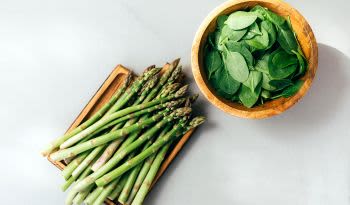
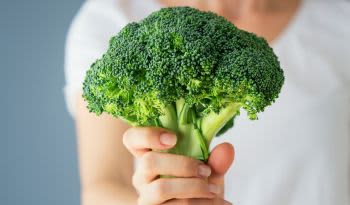
अधिक साग खाएं, क्योंकि पत्तेदार और क्रूसिफेरस सब्जियां आपके डिटॉक्स अंगों द्वारा उपयोग किए जाने वाले फाइबर, एंटीऑक्सिडेंट और सल्फर यौगिकों की आपूर्ति करती हैं। क्रूसिफेरस सब्जियों (ब्रोकोली, फूलगोभी, गोभी, ब्रसेल्स स्प्राउट्स, केल) में ग्लूकोसाइनोलेट्स होते हैं, जिन्हें शरीर यकृत के दूसरे चरण की एंजाइम गतिविधि के समर्थन के लिए अध्ययन किए गए यौगिकों में परिवर्तित करता है। पत्तेदार साग में फोलेट और अन्य बी विटामिन मिलाते हैं जो डिटॉक्स पाथवे में भाग लेते हैं। यहां, एक विशिष्ट खाद्य समूह में एक वास्तविक, नामित तंत्र होता है, न कि केवल “सुपरफूड” लेबल।
चरण 7: अपने फाइबर का सेवन बढ़ाएँ
अपने फाइबर का सेवन बढ़ाएँ, क्योंकि आंत एक प्राथमिक निकास मार्ग है, और फाइबर इसे आगे बढ़ाता रहता है। घुलनशील और अघुलनशील फाइबर बल्क जोड़ते हैं, लाभकारी आंत बैक्टीरिया को खिलाते हैं, और नियमित रूप से मल त्याग का समर्थन करते हैं, इस तरह शरीर उन यौगिकों को समाप्त करता है जिन्हें यकृत ने संसाधित किया है और पित्त के माध्यम से बाहर भेजा है। सुस्त उन्मूलन उन यौगिकों में से कुछ को पुन: अवशोषित करने की अनुमति दे सकता है। व्यावहारिक स्रोत: सब्जियां, फल, फलियां, साबुत अनाज, और, यदि आवश्यक हो, तो साइलियम हस्कजैसे पूरक फाइबर। सूजन और ऐंठन से बचने के लिए फाइबर को धीरे-धीरे और पानी के साथ बढ़ाएं।
चरण 8: स्लीप एंड मूवमेंट के माध्यम से सेलुलर क्लीनअप का समर्थन करें
वास्तविक सबूत के साथ दो लीवर के माध्यम से सेलुलर क्लीनअप, क्षतिग्रस्त सेल घटकों को तोड़ने और रीसायकल करने की शरीर की प्रक्रिया का समर्थन करें: नींद और शारीरिक गतिविधि। गहरी नींद के दौरान, मस्तिष्क की निकासी प्रणाली विशेष रूप से सक्रिय होती है, एक कारण पुरानी नींद की कमी बदतर संज्ञानात्मक और चयापचय परिणामों से जुड़ी होती है। नियमित व्यायाम और लगातार खाने के बिना पीरियड्स भी इन रखरखाव प्रक्रियाओं का समर्थन करते हैं। यह साक्ष्य-आधारित संस्करण है जिसे मार्केटिंग “सेल्युलर डिटॉक्स” कहती है। हस्तक्षेप नींद और आंदोलन है, पूरक नहीं।
आप अपने लिवर को प्राकृतिक रूप से डिटॉक्स कैसे करते हैं?
अपने लीवर को प्राकृतिक रूप से डिटॉक्स करने का मतलब है उस अंग को सहारा देना जो सबसे भारी भार उठाता है, न कि किसी उत्पाद से उसे “साफ़” करना। यकृत दो चरणों वाली एंजाइमेटिक प्रक्रिया चलाता है जो वसा में घुलनशील यौगिकों को पानी में घुलनशील यौगिकों में परिवर्तित करता है जिन्हें शरीर उत्सर्जित कर सकता है। यदि किसी एक अंग पर ध्यान केंद्रित किया जाना चाहिए, तो वह यह है।
पहला चरण रासायनिक रूप से यौगिकों को बदलने के लिए एंजाइमों के एक परिवार का उपयोग करता है। यह कदम अस्थायी रूप से प्रतिक्रियाशील मध्यवर्ती उत्पन्न कर सकता है जो मूल पदार्थ की तुलना में अधिक हानिकारक होते हैं, यही कारण है कि दूसरे चरण को गति बनाए रखनी चाहिए: यह उन अणुओं को जोड़ता है जो उन मध्यवर्ती को बेअसर करते हैं और उन्हें पानी में घुलनशील बनाते हैं। पूरी प्रणाली पोषक तत्वों, बी विटामिन, अमीनो एसिड, एंटीऑक्सिडेंट और खनिजों पर निर्भर करती है। उनमें से किसी को भी अंडरसप्लाई करें, और प्रक्रिया धीमी हो जाती है। यही कारण है कि पोषक तत्वों से भरपूर आहार आपके लीवर को किसी एक “शुद्ध” उत्पाद की तुलना में बेहतर तरीके से सहारा देता है।
तो व्यावहारिक लिवर-सपोर्ट प्लेबुक वही आठ कदम ऊपर है, जिसमें तीन प्राथमिकताएं हैं: अल्कोहल कम रखें (यह सबसे बड़ा परिहार्य जिगर का बोझ है), पर्याप्त प्रोटीन खाएं (दूसरा चरण अमीनो एसिड पर चलता है), और सल्फर से भरपूर और क्रूसिफेरस सब्जियों पर लोड करें जो दोनों चरणों को खिलाती हैं। ऐसा कोई तीन दिन का लिवर फ्लश नहीं है जो लगातार इन्हें करने से बेहतर प्रदर्शन करता हो। यदि आप विशिष्ट लीवर-सपोर्ट सामग्री का वजन कर रहे हैं, तो सबूत और उत्पाद विकल्प हमारी समर्पित पूरक मार्गदर्शिका में शामिल हैं, जो नीचे लिंक किए गए हैं।
डिटॉक्स में सप्लीमेंट्स क्या भूमिका निभाते हैं?
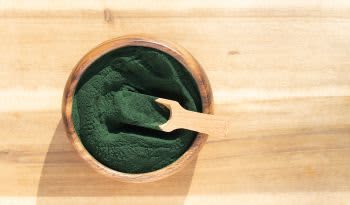
सप्लिमेंट्स ज़्यादा से ज़्यादा सहायक भूमिका निभाते हैं, ऊपर दिए गए आहार और जीवन शैली के चरणों का प्रतिस्थापन कभी नहीं होता है, और ईमानदार सारांश यह है कि अधिकांश के पास मामूली मानवीय प्रमाण हैं। सबसे आम डिटॉक्सिफिकेशन एड सप्लीमेंट्स में से, एन-एसिटाइलसिस्टीन (एनएसी), मिल्क थीस्ल एक्सट्रैक्ट, स्पिरुलिना और पेक्टिन में डिटॉक्सिफिकेशन प्रक्रियाओं का समर्थन करने के लिए सबसे सुसंगत मानव नैदानिक प्रमाण हैं। क्योंकि डिटॉक्स सप्लीमेंट्स को चुनना और इस्तेमाल करना उसका अपना निर्णय है, कौन सा घटक, कौन सा रूप, किसे लेना चाहिए और क्या नहीं, हम इसे यहाँ डुप्लिकेट करने के बजाय अलग से गहराई से कवर करते हैं। यदि आप पूर्ण ब्रेकडाउन चाहते हैं, तो प्राकृतिक डिटॉक्स सप्लीमेंटके लिए हमारी मार्गदर्शिका देखें। आप जो भी विचार करें, पहले किसी स्वास्थ्य देखभाल पेशेवर से बात करें, खासकर यदि आप दवा लेते हैं या आपको लीवर या किडनी की समस्या है, क्योंकि इनमें से कई वनस्पति यकृत द्वारा संसाधित दवाओं के साथ परस्पर क्रिया करते हैं।
कौन सी गैर-पूरक पद्धतियां वास्तव में मदद करती हैं?
गैर-पूरक पद्धतियां मुख्य रूप से परिसंचरण, पसीने, पाचन और तनाव का समर्थन करने में मदद करती हैं, न कि “विषाक्त पदार्थों को बाहर निकालने” से। जबकि पूरक और आहार परिवर्तन आपके जिगर की विषहरण प्रक्रिया में महत्वपूर्ण रूप से सहायता कर सकते हैं, कई जीवन शैली पद्धतियां प्रभावी डिटॉक्स रणनीतियों के रूप में काम करने में मदद कर सकती हैं।
सौना और स्टीम रूम
सौना और स्टीम रूम शरीर के तापमान को बढ़ाते हैं और अत्यधिक पसीना आने का कारण बनते हैं। यह पसीना त्वचा के माध्यम से विषाक्त पदार्थों को खत्म करने और शरीर को प्रभावी रूप से डिटॉक्सिफाई करने में मदद कर सकता है। डिटॉक्सिफिकेशन के अलावा, सौना और स्टीम रूम भी परिसंचरण में सुधार कर सकते हैं, तनाव को कम कर सकते हैं और विश्राम को बढ़ावा दे सकते हैं।
ड्राई ब्रशिंग
ड्राई ब्रशिंग प्राकृतिक ब्रिसल ब्रश का उपयोग करके आपकी त्वचा को धीरे से एक्सफोलिएट करने की प्रक्रिया है। यह रक्त परिसंचरण, लसीका जल निकासी और मृत त्वचा कोशिकाओं को हटाने को बढ़ा सकता है, जो सभी विष को खत्म करने में सहायता करते हैं। ड्राई ब्रशिंग से त्वचा की बनावट में सुधार हो सकता है, सेल्युलाईट कम हो सकता है और आपकी प्रतिरक्षा प्रणाली को बढ़ावा मिल सकता है।
डीप ब्रीदिंग एक्सरसाइज
गहरी साँस लेने के व्यायाम, जैसे डायाफ्रामिक श्वास या प्राणायाम, आपके रक्त को ऑक्सीजन देने और तनाव को कम करने में मदद करते हैं। यह आपके समग्र स्वास्थ्य में सुधार कर सकता है और आपके शरीर की प्राकृतिक विषहरण प्रक्रियाओं का समर्थन कर सकता है। गहरी सांस लेने से रक्तचाप भी कम हो सकता है, पाचन में सुधार हो सकता है और मानसिक स्पष्टता बढ़ सकती है।
रुक-रुक कर उपवास
इंटरमिटेंट फास्टिंग में खाने और उपवास की अवधि के बीच साइकिल चलाना शामिल है। यह आपके पाचन तंत्र को आराम देने और मरम्मत और कायाकल्प पर ध्यान केंद्रित करने में मदद कर सकता है। मेटाबोलिक स्वास्थ्य को बढ़ावा देने, सूजन को कम करने और वजन घटाने में सहायता के लिए रुक-रुक कर उपवास का प्रदर्शन किया गया है।
हाइड्रोथैरेपी
गर्म और ठंडे शावर या स्नान के बीच बारी-बारी से परिसंचरण को बढ़ावा मिल सकता है, रक्त प्रवाह में सुधार हो सकता है और विषाक्त पदार्थों के उन्मूलन को बढ़ावा मिल सकता है। गर्म स्नान की गर्मी मांसपेशियों को आराम दे सकती है, रक्त प्रवाह को बढ़ा सकती है, छिद्रों को खोल सकती है और विषाक्त पदार्थों को बाहर निकालने में मदद कर सकती है। ठंडा पानी रक्त परिसंचरण को उत्तेजित करता है, चयापचय को बढ़ाता है और प्रतिरक्षा प्रणाली को मजबूत करता है। दोनों के बीच बारी-बारी से डिटॉक्सिफिकेशन और संपूर्ण स्वास्थ्य के लिए फायदेमंद हो सकता है।
एप्सम सॉल्ट बाथ
एप्सम सॉल्ट, एक मैग्नीशियम सल्फेट यौगिक है, जिसे नहाने के पानी में मिलाने पर कई स्वास्थ्य लाभ हो सकते हैं। एप्सम सॉल्ट बाथ मांसपेशियों को आराम देने, सूजन को कम करने और डिटॉक्सिफिकेशन को बढ़ावा देने में मदद कर सकता है। कुछ लोगों का मानना है कि एप्सम सॉल्ट बाथ त्वचा के माध्यम से शरीर से विषाक्त पदार्थों को निकालने में मदद कर सकता है।
योगा और मेडिटेशन
योग और ध्यान महत्वपूर्ण शारीरिक और मानसिक स्वास्थ्य लाभ वाली प्राचीन गतिविधियाँ हैं। वे तनाव को दूर करने, आराम करने और शरीर के प्राकृतिक विषहरण तंत्र का समर्थन करने में मदद कर सकते हैं।
वजन घटाने के दौरान आप डिटॉक्स का समर्थन कैसे करते हैं?
वजन घटाने के दौरान डिटॉक्स का समर्थन करना महत्वपूर्ण है क्योंकि कुछ यौगिक शरीर में वसा में जमा होते हैं, और जैसे ही वसा का चयापचय होता है, वे यौगिक परिसंचरण में फिर से प्रवेश कर सकते हैं। बहुत सारे अतिरंजित “वसा में जमा विषाक्त पदार्थों” की मार्केटिंग के अंदर यह सच्चाई का एक दाना है।
व्यावहारिक प्रतिक्रिया कोई विशेष सफाई नहीं है। यह क्रैश-डाइटिंग के बजाय मध्यम गति से वजन कम करने के लिए है, अच्छी तरह से हाइड्रेटेड रहें ताकि गुर्दे पानी में घुलनशील यौगिकों को साफ कर सकें, आंत के माध्यम से उन्मूलन का समर्थन करने के लिए पर्याप्त फाइबर खा सकें, और पर्याप्त प्रोटीन बनाए रख सकें ताकि यकृत का दूसरा चरण चलता रहे। ऊपर दिए गए वही आठ चरण, जो लगातार लागू होते हैं, वे हैं जो वसा हानि के दौरान शरीर का समर्थन करते हैं। इस बात का कोई सबूत नहीं है कि जूस को साफ करने से इसमें सुधार होता है, और रैपिड क्रैश डाइट इसके विपरीत कर सकती है।
क्या डिटॉक्स आपके इम्यून सिस्टम को फायदा पहुंचा सकता है?
एक डिटॉक्स अप्रत्यक्ष रूप से प्रतिरक्षा प्रणाली को लाभ पहुंचा सकता है, लेकिन उस तंत्र के माध्यम से नहीं जो शब्द का अर्थ है। प्रतिरक्षा प्रणाली “साफ” नहीं होती है। जो चीज वास्तव में मदद करती है वह यह है कि वही आदतें जो आपके डिटॉक्स अंगों को सहारा देती हैं, अच्छा पोषण, अच्छी नींद, नियमित गतिविधि, सीमित शराब, और लंबे समय तक तनाव कम करना, एक अच्छी तरह से काम करने वाली प्रतिरक्षा प्रतिक्रिया की नींव भी हैं।
कनेक्शन साझा किए गए इनपुट के माध्यम से चलता है। आपके पेट में आपके प्रतिरक्षा ऊतक का एक बड़ा हिस्सा होता है, इसलिए फाइबर और संपूर्ण खाद्य पदार्थ जो पाचन का समर्थन करते हैं और आंत माइक्रोबायोम भी प्रतिरक्षा कार्य का समर्थन करते हैं। नींद तब होती है जब बहुत अधिक प्रतिरक्षा विनियमन और मरम्मत होती है, इसलिए वही नींद जो सेलुलर क्लीनअप में सहायता करती है, प्रतिरक्षा रक्षा को भी मजबूत करती है। दीर्घकालिक तनाव प्रतिरक्षा गतिविधि को दबा देता है, इसलिए तनाव कम करने वाले अभ्यास दोनों प्रणालियों को एक ही बार में मदद करते हैं। सूक्ष्म पोषक तत्व जो डिटॉक्स मार्ग का समर्थन करते हैं, कई बी विटामिन, साथ ही विभिन्न आहार से विटामिन सी, विटामिन डी, और जिंक भी प्रतिरक्षा कार्य के लिए केंद्रीय होते हैं।
ईमानदार फ़्रेमिंग: एक “डिटॉक्स” एक विशेष घटना के रूप में प्रतिरक्षा को बढ़ावा नहीं देता है, लेकिन एक समझदार डिटॉक्स रूटीन के तहत जीवन शैली वही जीवन शैली है जो एक लचीली प्रतिरक्षा प्रणाली का समर्थन करती है। यदि अत्यधिक शराब के उपयोग, खराब आहार, लंबे समय तक नींद की कमी, या उच्च तनाव के कारण आपका डिटॉक्स सिस्टम वास्तव में ओवरलोड हो जाता है, तो आप इसे लगातार थकान, खराब पाचन, बाधित नींद, या अधिक बार बीमार होने के रूप में देख सकते हैं। ये अंतर्निहित आदतों को दूर करने के संकेत हैं, न कि शुद्धिकरण खरीदने के लिए।
आप हेवी मेटल्स या मोल्ड एक्सपोज़र को सुरक्षित रूप से कैसे संबोधित करते हैं?
संदिग्ध हेवी-मेटल या मोल्ड एक्सपोज़र को सुरक्षित रूप से संबोधित करने का मतलब सबसे पहले एक बात है: डॉक्टर से मिलें, पूरक गलियारे से नहीं। यह वह जगह है जहां डिटॉक्स मार्केटिंग सबसे खतरनाक है, क्योंकि यह वास्तविक लक्षणों वाले लोगों को लक्षित करती है और बाइंडर्स, क्लोरेला और केलेशन “प्रोटोकॉल” बेचती है जो बेकार से हानिकारक तक होते हैं।
पुष्टि की गई हेवी-मेटल पॉइजनिंग (सीसा, पारा, आर्सेनिक) रक्त या मूत्र परीक्षण के माध्यम से किया जाने वाला चिकित्सीय निदान है और चिकित्सक की देखरेख में प्रिस्क्रिप्शन केलेशन एजेंटों के साथ इसका इलाज किया जाता है। ओवर-द-काउंटर “केलेशन” सप्लीमेंट समान नहीं हैं और जोखिम भरा हो सकता है; कुछ बाइंडर्स खनिज अवशोषण या दवाओं में हस्तक्षेप करते हैं, और असुरक्षित केलेशन ने गंभीर नुकसान पहुंचाया है। धातु हटाने के लिए न्यूनतम कठोर मानवीय साक्ष्य के साथ क्लोरेला और सीलेंट्रो इस स्थान में लोकप्रिय हैं।
मोल्ड उसी तरह काम करता है: यदि आपको अपने वातावरण में फफूंदी से बीमारी का संदेह है, तो पहला हस्तक्षेप जोखिम को दूर करना (इमारत को ठीक करना) और एक चिकित्सक को देखना है, जो आदर्श रूप से पर्यावरणीय बीमारी को संभालता है। सौना के उपयोग और “बाइंडर्स” का विपणन अक्सर बिना किसी पुख्ता सबूत के यहां किया जाता है। सुरक्षित रास्ता चिकित्सा मूल्यांकन और स्रोत को हटाना है, न कि स्व-निर्देशित डिटॉक्स स्टैक को।
साक्ष्य किसका समर्थन नहीं करता है?
सबूत वाणिज्यिक डिटॉक्स उत्पादों के मूल वादे का समर्थन नहीं करते हैं, कि वे स्वस्थ शरीर से संचित विषाक्त पदार्थों को निकालते हैं। जर्नल ऑफ ह्यूमन न्यूट्रिशन एंड डायटेटिक्स में 2015 की एक समीक्षा में वाणिज्यिक डिटॉक्स आहार की जांच की गई और पाया कि कोई ठोस नैदानिक प्रमाण नहीं मिला कि वे विषाक्त पदार्थों को खत्म करते हैं या स्थायी परिणाम देते हैं। यह ईमानदार शीर्षक है, जो स्पष्ट रूप से बताने लायक है।
कई विशिष्ट दावे जांच के दायरे में आते हैं। सफाई के दौरान सिरदर्द, थकान और चिड़चिड़ापन जैसे “डिटॉक्स के लक्षण” को कैफीन की निकासी, गंभीर कैलोरी प्रतिबंध से निम्न रक्त शर्करा और शरीर से बाहर निकलने वाले विषाक्त पदार्थों की तुलना में निर्जलीकरण द्वारा बेहतर तरीके से समझाया गया है। डिटॉक्स चाय अक्सर सेन्ना या अन्य जुलाब के माध्यम से काम करती है, जिससे तरल पदार्थ और इलेक्ट्रोलाइट हानि होती है जो “सफाई” के रूप में पढ़ती है लेकिन लंबे समय तक उपयोग के साथ निर्भरता और इलेक्ट्रोलाइट असंतुलन का जोखिम उठाती है। एक्टिवेटेड चारकोल अंधाधुंध तरीके से बांधता है, जिसका अर्थ है कि यह आपकी दवाओं और पोषक तत्वों को किसी भी चीज़ के साथ बांध सकता है, यही वजह है कि यह एक ज़हर नियंत्रण उपकरण है, न कि दैनिक पूरक। बृहदान्त्र की सफाई और बृहदान्त्र सिंचाई से निर्जलीकरण, इलेक्ट्रोलाइट गड़बड़ी, और, शायद ही कभी, आंत्र की चोट के जोखिम होते हैं, जिससे स्वस्थ लोगों के लिए कोई सिद्ध डिटॉक्स लाभ नहीं होता है। डिटॉक्स फुट पैड का कोई विश्वसनीय प्रमाण नहीं है; गहरे रंग के अवशेष पसीने की प्रतिक्रिया है, न कि निकाले गए विषाक्त पदार्थों की।
इसका मतलब यह नहीं है कि आहार और जीवनशैली कोई मायने नहीं रखती। वे बहुत मायने रखते हैं। इसका मतलब है कि डिटॉक्स का उत्पाद संस्करण वह है जहां सबूत खत्म हो जाते हैं, और आदत संस्करण वह है जहां यह कायम रहता है।
आपको कब रुकना चाहिए और किसी पेशेवर से सलाह लेनी चाहिए?
यदि आप डॉक्टर द्वारा निर्धारित दवा लेते हैं, गर्भवती हैं या स्तनपान करा रही हैं, लिवर या किडनी की बीमारी है, या किसी पुरानी स्थिति का प्रबंधन करती हैं, तो किसी भी डिटॉक्स सप्लीमेंट को शुरू करने से पहले रुकें और स्वास्थ्य देखभाल पेशेवर से परामर्श करें, क्योंकि इस श्रेणी में परस्पर क्रिया और विरोधाभास वास्तविक हैं।
नामकरण के लिए विशिष्ट सावधानियां: मिल्क थीस्ल और अन्य वनस्पति लिवर एंजाइम द्वारा संसाधित दवाओं के साथ परस्पर क्रिया कर सकते हैं। फाइबर सप्लीमेंट और चारकोल एक ही समय में ली जाने वाली दवाओं के अवशोषण को कम कर सकते हैं। रेचक आधारित डिटॉक्स चाय इलेक्ट्रोलाइट्स को ख़राब कर सकती है और दिल और रक्तचाप की कुछ दवाओं के साथ खतरनाक तरीके से परस्पर क्रिया कर सकती है। मधुमेह से पीड़ित किसी भी व्यक्ति को हाइपोग्लाइसीमिया के जोखिम के कारण उपवास आधारित तरीकों से सतर्क रहना चाहिए। और कोई भी नया या लगातार लक्षण, थकान, पीलिया, पाचन परिवर्तन, या अस्पष्ट वजन कम होना स्व-निर्धारित शुद्धिकरण के बजाय चिकित्सीय मूल्यांकन के योग्य है। जब संदेह है, तो इस लेख में दिए गए आहार और जीवन शैली के कदमों में सबसे कम जोखिम और सबसे अधिक सबूत हैं।
अक्सर पूछे जाने वाले सवाल
क्या आपको वास्तव में अपने शरीर को डिटॉक्स करने की ज़रूरत है?
नहीं, डिटॉक्स उत्पादों के अर्थ में नहीं। एक स्वस्थ लिवर, किडनी, आंत, त्वचा और फेफड़े अपने आप लगातार डिटॉक्सिफाई करते हैं। कोई विषैला बैकलॉग फ़्लश होने की प्रतीक्षा नहीं कर रहा है। आप उन अंगों का समर्थन कर सकते हैं, शराब को सीमित कर सकते हैं, धूम्रपान नहीं कर सकते हैं, पर्याप्त फाइबर और प्रोटीन खा सकते हैं, हाइड्रेट कर सकते हैं, अच्छी नींद ले सकते हैं, सक्रिय रह सकते हैं और उन्हें कमज़ोर करने से बच सकते हैं। यदि आपके पास वास्तविक जोखिम या अंग की समस्या का संकेत देने वाले लक्षण हैं, तो यह डॉक्टर को देखने का एक कारण है, न कि क्लींजर खरीदने का।
फुल-बॉडी डिटॉक्स में कितना समय लगता है?
कोई निश्चित समयरेखा नहीं है, क्योंकि आप एक बार का पर्ज पूरा नहीं कर रहे हैं; आप अंग सहायता जारी रख रहे हैं। इस गाइड की आदतें लगातार और संचयी रूप से काम करती हैं। अल्कोहल और अल्ट्रा-प्रोसेस्ड फूड को काटने और पानी और सब्जियों को जोड़ने के कुछ दिनों के भीतर आपको अधिक ऊर्जा या बेहतर पाचन दिखाई दे सकता है, लेकिन वे लाभ आदतों से आते हैं और केवल तब तक रहते हैं जब तक आप उन्हें रखते हैं। छोटे “3-दिन” या “7-दिन” कार्यक्रम ज्यादातर कैलोरी प्रतिबंध से अस्थायी प्रभाव उत्पन्न करते हैं जो सामान्य खाने पर वापस लौटने पर उल्टा होता है।
डिटॉक्सिंग के लक्षण क्या हैं, और क्या वे वास्तविक हैं?
क्लासिक “डिटॉक्स लक्षण” - सिरदर्द, थकान, चिड़चिड़ापन और ब्रेन फॉग- वास्तविक संवेदनाएं हैं, लेकिन आमतौर पर इसकी सामान्य व्याख्याएं होती हैं: कैफीन की निकासी, गंभीर कैलोरी प्रतिबंध के कारण निम्न रक्त शर्करा और निर्जलीकरण। वे आम तौर पर शरीर से बाहर निकलने वाले विषाक्त पदार्थ नहीं होते हैं। यदि आप किसी शुद्धिकरण पर अस्वस्थ महसूस करते हैं, तो यह अक्सर एक संकेत होता है कि शुद्धिकरण बहुत चरम है, यह संकेत नहीं है कि यह “काम कर रहा है”.
आप अपने लिवर को स्वस्थ तरीके से कैसे डिटॉक्स करते हैं?
आप अपने लिवर को “फ्लश” करने के बजाय सहारा देते हैं। अल्कोहल कम रखें, क्योंकि यह सबसे बड़ा परिहार्य जिगर बोझ है; पर्याप्त प्रोटीन खाएं, क्योंकि यकृत का दूसरा डिटॉक्स चरण अमीनो एसिड पर चलता है; और दोनों चरणों को खिलाने वाली क्रूसिफेरस और सल्फर युक्त सब्जियों का खूब सेवन करें। कोई भी तीन दिन का लिवर फ्लश इन्हें लगातार करने से बेहतर प्रदर्शन नहीं करता है। मिल्क थीस्ल और एनएसी के पास लिवर सपोर्ट के लिए सबसे अच्छे पूरक सबूत हैं, लेकिन वे ऐड-ऑन हैं, विकल्प नहीं हैं, और लिवर की बीमारी का इलाज नहीं हैं।
कौन से खाद्य पदार्थ शरीर को डिटॉक्स करने में मदद करते हैं?
खाद्य पदार्थ जो आपके डिटॉक्स अंगों का समर्थन करते हैं, उनमें ग्लूकोसाइनोलेट्स के लिए क्रूसिफेरस सब्जियां (ब्रोकोली, फूलगोभी, गोभी, ब्रसेल्स स्प्राउट्स), फोलेट के लिए पत्तेदार साग, सल्फर युक्त लहसुन और प्याज, उच्च फाइबर फलियां और साबुत अनाज, और यकृत रसायन के लिए पर्याप्त दुबला प्रोटीन शामिल हैं। एक भी “डिटॉक्स फ़ूड” नहीं है जो विषाक्त पदार्थों को बाहर निकालता है; इसका लाभ समग्र पोषक तत्वों से भरपूर, फाइबर से भरपूर, संपूर्ण खाद्य पैटर्न से आता है।
क्या डिटॉक्स टी और क्लींजर वास्तव में काम करते हैं?
ज़्यादातर विज्ञापन के अनुसार काम नहीं करते हैं। डिटॉक्स चाय अक्सर सेन्ना या इसी तरह के जुलाब पर निर्भर करती है, जिससे तरल पदार्थ और इलेक्ट्रोलाइट की हानि होती है जो “सफाई” जैसा लगता है लेकिन लंबे समय तक उपयोग के साथ निर्भरता का जोखिम उठाता है। जूस की सफाई से कैलोरी प्रतिबंध से अस्थायी रूप से वजन कम होता है जो बाद में उलट जाता है। 2015 की एक समीक्षा में इस बात का कोई ठोस प्रमाण नहीं मिला कि वाणिज्यिक डिटॉक्स आहार विषाक्त पदार्थों को हटाते हैं। लोग शुद्धिकरण को जो स्थायी लाभ देते हैं, वे उनके आसपास की स्वस्थ आदतों से आते हैं, न कि उत्पाद से।
क्या एक्टिवेटेड चारकोल को डिटॉक्स के लिए लेना सुरक्षित है?
एक्टिवेटेड चारकोल यौगिकों को अंधाधुंध तरीके से बांधता है, यही वजह है कि यह एक ज़हर नियंत्रण उपकरण है न कि दैनिक पूरक। नियमित रूप से लिया जाने पर, यह आपकी दवाओं और पोषक तत्वों के अवशोषण को बांध सकता है और आपके पेट में किसी भी चीज़ के साथ कम कर सकता है। यदि आप कोई भी प्रिस्क्रिप्शन दवा लेते हैं, तो दैनिक चारकोल एक वास्तविक इंटरैक्शन जोखिम है। इसका उपयोग चिकित्सा निर्देशन में ही करें।
आप भारी धातुओं या मोल्ड से डिटॉक्स कैसे करते हैं?
पहले किसी चिकित्सक से मिलें। पुष्टि की गई हेवी-मेटल विषाक्तता का निदान चिकित्सा पर्यवेक्षण के तहत प्रिस्क्रिप्शन केलेशन के साथ परीक्षण और उपचार द्वारा किया जाता है, न कि ओवर-द-काउंटर बाइंडर्स या क्लोरेला, जिनके पास न्यूनतम कठोर सबूत हैं और जोखिम ले सकते हैं। मोल्ड के लिए, प्राथमिकता जोखिम को दूर करना (पर्यावरण को दूर करना) और चिकित्सा मूल्यांकन प्राप्त करना है। यह वह जगह है जहां स्व-निर्देशित डिटॉक्स प्रोटोकॉल पैसे बर्बाद करने या नुकसान पहुंचाने की सबसे अधिक संभावना रखते हैं।
क्या डिटॉक्सिंग से ऊर्जा, सूजन, सिरदर्द या त्वचा की समस्याओं में मदद मिल सकती है?
कभी-कभी, लेकिन अप्रत्यक्ष रूप से। यदि बहुत अधिक अल्कोहल, अल्ट्रा-प्रोसेस्ड फूड, खराब नींद या निर्जलीकरण से पेट फूलना या कम ऊर्जा उत्पन्न होती है, तो उन्हें ठीक करना, जो कि वास्तव में एक समझदार “डिटॉक्स” है, वास्तव में मदद कर सकता है। सुधार आदत में बदलाव से आता है, विषाक्त पदार्थों को शुद्ध करने से नहीं। यदि लक्षण लगातार या गंभीर होते हैं, तो वे शुद्धिकरण के बजाय चिकित्सा मूल्यांकन की गारंटी देते हैं।
वजन कम करते समय क्या आपको डिटॉक्स करना चाहिए?
आपको किसी विशेष शुद्धिकरण की आवश्यकता नहीं है, लेकिन इस सवाल के पीछे की चिंता आंशिक रूप से मान्य है: वसा में जमा कुछ यौगिक परिसंचरण में फिर से प्रवेश कर सकते हैं क्योंकि वसा का चयापचय होता है। व्यावहारिक प्रतिक्रिया मध्यम गति से वजन कम करना, हाइड्रेटेड रहना, पर्याप्त फाइबर खाना और पर्याप्त प्रोटीन बनाए रखना है, जो इस गाइड में अंग-सहायता के समान कदम हैं। क्रैश डाइट और जूस क्लींजर मदद के बजाय इसके खिलाफ काम कर सकते हैं।
आप घर पर सुरक्षित रूप से डिटॉक्स कैसे कर सकते हैं?
सबसे सुरक्षित, सबसे अच्छी तरह से प्रमाणित घरेलू दृष्टिकोण अजीब है: पर्याप्त पानी पिएं, भरपूर फाइबर और पर्याप्त प्रोटीन वाले साबुत खाद्य पदार्थ खाएं, नींद को प्राथमिकता दें, रोजाना टहलें, शराब को सीमित करें, और धूम्रपान न करें। रेचक चाय, दैनिक चारकोल, बृहदान्त्र की सफाई और पैरों के पैड को छोड़ दें। किसी भी सप्लिमेंट को शामिल करने से पहले, किसी स्वास्थ्य देखभाल पेशेवर से संपर्क करें, खासकर यदि आप दवा लेते हैं या आपको कोई स्वास्थ्य समस्या है।
अंतिम टिप्पणी
अपने शरीर को डिटॉक्स करना सीखना, जिस तरह से वास्तव में काम करता है, का अर्थ है किसी ऐसे उत्पाद की खोज को छोड़ देना जो विषाक्त पदार्थों को बाहर निकालता है और इसके बजाय उन अंगों में निवेश करना जो पहले से ही काम कर रहे हैं। पर्याप्त प्रोटीन और फाइबर युक्त संपूर्ण खाद्य पदार्थ खाएं, हाइड्रेट करें, सोएं, घूमें, अल्कोहल को सीमित करें, धूम्रपान न करें, और अपने जिगर को वे पोषक तत्व दें जो इसके दो-चरण के रसायन पर चलते हैं। सप्लीमेंट्स के एक छोटे से सेट में ऐड-ऑन के रूप में वास्तविक मैकेनिस्टिक सपोर्ट होता है, जो कभी भी बुनियादी बातों का प्रतिस्थापन नहीं होता है। चाय, चारकोल और फुट पैड को छोड़ दें। और वास्तविक विषाक्त जोखिम की ओर इशारा करने वाली किसी भी चीज़ के लिए, एक चिकित्सक को देखें। यह पूरी साक्ष्य-आधारित प्लेबुक है, और यह सफाई के रूप में बेची जाने वाली किसी भी चीज़ की तुलना में अधिक प्रभावी है।
नया सप्लीमेंट शुरू करने या अपने आहार में महत्वपूर्ण बदलाव करने से पहले हमेशा किसी योग्य स्वास्थ्य देखभाल पेशेवर से सलाह लें, खासकर यदि आप दवा लेते हैं, गर्भवती हैं या स्तनपान करा रही हैं, या आपकी कोई मौजूदा स्वास्थ्य स्थिति है।
संदर्भ:
- ली जेड, हुआंग एल, लुओ वाई, यू बी, टियान जी। स्वास्थ्य और बीमारी पर आंतरायिक उपवास के प्रभाव और संभावित तंत्र: एक कथात्मक समीक्षा। न्यूट्र रेव. 2023 नवंबर 10; 81 (12): 1626-1635।
- फॉर्मन एचजे, झांग एच, रिन्ना ए। ग्लूटाथियोन: इसकी सुरक्षात्मक भूमिकाओं, मापन और जैवसंश्लेषण का अवलोकन। Mol. एस्पेक्ट्स मेड 2009; 30, 1−12।
- Jones DP, Coates RJ, Flagg EW, et al. नेशनल कैंसर इंस्टीट्यूट हेल्थ हैबिट्स एंड हिस्ट्री फूड फ्रीक्वेंसी प्रश्नावलीमें सूचीबद्ध खाद्य पदार्थों में ग्लूटाथियोन। Nutr Cancer 1995;17:57-75.
- Richie JP Jr, Nichenametla S, Neidig W, et al. ग्लूटाथियोन के शरीर में स्टोर मौखिक ग्लूटाथियोन पूरक के यादृच्छिक नियंत्रित परीक्षण। Eur J Nutr. 2015;54(2):251-263.
- शलामोन एस, क्रैमर बी, मारोल्ट टीपी, पोलिसाक बी, मिलिसाव आई। एन-एसिटाइलसिस्टीन के चिकित्सा और आहार संबंधी उपयोग। एंटीऑक्सिडेंट्स (बेसल). 2019; 8 (5) :111।
- टियान एक्स, थॉर्न जेएल, मूर जेबी। Ergothioneine: स्वस्थ उम्र बढ़ने के लिए आवश्यक एक अल्पमान्यता प्राप्त आहार सूक्ष्म पोषक तत्व? ब्र जे न्यूट्र. 2023 जनवरी 14; 129 (1): 104-114।
- मोट्टा एफ, गेर्शविन एमई, सेल्मी सी। मशरूम और प्रतिरक्षा। जे ऑटोइम्यून. 2021 फ़रवरी; 117:102576।
- डी मार्को कास्त्रो ई, काल्डर पीसी, रोश एचएम. β-1,3/1,6-ग्लूकन और इम्यूनिटी: स्टेट ऑफ़ द आर्ट एंड फ़्यूचर डायरेक्शंस। मोल न्यूट्र फूड रेस. 2021 जनवरी; 65 (1): e1901071।
- किफ़र डीए, मार्टिन आरजे, एडम्स एसएच। पोषक तत्वों के प्रबंधन और विषहरण अंगों पर आहार संबंधी तंतुओं का प्रभाव: आंत, यकृत और गुर्दे। एडवोकेट न्यूट्र 2016; 7 (6): 1111-1121।
- किटाडा एम, कोया डी। चयापचय संबंधी बीमारी और उम्र बढ़ने में ऑटोफैगी। नेट रेव एंडोक्रिनॉल. 2021; 17 (11): 647-661।
- मैककार्टी एमएफ। मैक्रोऑटोफैगी को नियंत्रित करने के लिए न्यूट्रास्युटिकल और आहार संबंधी रणनीतियाँ। इंट जे मोल साइंस. 2022; 23 (4) :2054।
- ब्रिमसन जेएम, प्रशांत एमआई, मलार डीएस, और अन्य। उम्र बढ़ने के स्वास्थ्य के लिए Pप्लांट पॉलीफेनोल्स: उम्र से जुड़े रोगों में उनके ऑटोफैगी मॉड्यूलेटिंग गुणों से प्रभाव। फार्मास्यूटिकल्स (बेसल). 2021; 14 (10) :982।
- क्लेन, ए. वी., और किआट, एच. (2015)। टॉक्सिन उन्मूलन और वजन प्रबंधन के लिए डिटॉक्स आहार: साक्ष्य की एक महत्वपूर्ण समीक्षा। जर्नल ऑफ़ ह्यूमन न्यूट्रिशन एंड डायटेटिक्स, 28 (6), 675—686. https://doi.org/10.1111/jhn.12286
- नेशनल इंस्टीट्यूट ऑफ हेल्थ, ऑफिस ऑफ डाइटरी सप्लीमेंट्स। (n.d.)। आहार पूरक तथ्य पत्रक. https://ods.od.nih.gov/factsheets/list-all/
- पूरक और एकीकृत स्वास्थ्य के लिए राष्ट्रीय केंद्र। (n.d.)। “डिटॉक्स” और “क्लींज़”: आपको क्या जानना चाहिए। अमेरिकी स्वास्थ्य और मानव सेवा विभाग. https://www.nccih.nih.gov/health/detoxes-and-cleanses-what-you-need-to-know
- अबेनावोली, एल., इज़ो, ए. ए., मिलिएक, एन., सिकाला, सी., सैंटिनी, ए., और कैपासो, आर (2018)। मिल्क थीस्ल (सिलीबम मरियनम): यकृत रोगों में इसके रसायन, औषधीय और पोषक तत्वों के उपयोग पर संक्षिप्त अवलोकन। फाइटोथेरेपी रिसर्च, 32 (11), 2202—2213. https://doi.org/10.1002/ptr.6171
- हॉजेस, आर ई., और मिनिच, डी. एम. (2015)। खाद्य पदार्थों और खाद्य-व्युत्पन्न घटकों का उपयोग करके चयापचय संबंधी विषहरण मार्गों का मॉड्यूलेशन: नैदानिक अनुप्रयोग के साथ एक वैज्ञानिक समीक्षा। जर्नल ऑफ़ न्यूट्रिशन एंड मेटाबॉलिज़्म, 2015, 760689. https://doi.org/10.1155/2015/760689
- झी, एल., कांग, एच., जू, क्यू., चेन, एम. जे., लियाओ, वाई., थियागराजन, एम.,... नेडरगार्ड, एम (2013)। नींद वयस्क मस्तिष्क से मेटाबोलाइट क्लीयरेंस चलाती है। विज्ञान, 342 (6156), 373—377. https://doi.org/10.1126/science.1241224
महत्वपूर्ण सूचना:
इन कथनों को फ़ूड एंड ड्रग एडमिनिस्ट्रेशन द्वारा अनुमोदित नहीं किया गया है।इन प्रोडक्ट्स का उद्देश्य किसी बीमारी का निदान, उपचार, इलाज या रोकथाम करना नहीं है।




















































 सामग्री की तालिका